2025-03-26

Demis Hassabis, Nobel Prize Winner, Predicts Humans Could Be Made Obsolete by AI by 2035

Demis Hassabis, Nobel Prize Winner, Predicts Humans Could Be Made Obsolete by AI by 2035

In a groundbreaking and chilling interview, Sir Demis Hassabis, a British artificial intelligence (AI) researcher, CEO, and co-founder of Google DeepMind and Isomorphic Labs, has issued a stark warning about humanity's future. The Nobel Prize-winning scientist, celebrated for his revolutionary AI-driven breakthroughs in protein structure prediction, has predicted that humans could become "obsolete" as early as 2035 due to the rapid evolution of artificial intelligence.

Hassabis believes that within the next decade, AI will achieve Artificial General Intelligence (AGI), a milestone representing human-level intelligence across all cognitive tasks. This AGI, he argues, will not only match but surpass human capabilities in thinking, reasoning, and strategic planning. Even more concerning, he suggests that such systems could eventually take control of the world and potentially render humanity irrelevant—or worse, destroy it.

A Race Against Time

Hassabis underscored the urgency of addressing these developments, quipping, "If AI can replace a Nobel Prize winner in just ten years, it’s already smarter than a lot of us—especially politicians." This remark highlights the gap between the pace of AI advancement and the sluggish progress in enacting regulatory frameworks to manage its risks.

His warnings are rooted in the explosive progress of AI technologies. DeepMind's AlphaFold, for instance, has transformed biology by solving protein-folding puzzles that have baffled scientists for decades. Such advancements underscore the accelerating capabilities of AI and its potential to disrupt even the most intellectually demanding fields.

An Existential Threat?

The most unsettling aspect of Hassabis' interview is his assertion that AGI could eventually "destroy humanity and rule the world." While this may sound like a dystopian scenario from science fiction, his concerns echo those of other prominent voices in AI, such as Elon Musk and Professor Stuart Russell, who have repeatedly cautioned against the existential risks posed by unregulated AI development.

Hassabis called for urgent global cooperation to ensure that AI is developed responsibly and ethically. He stressed the importance of robust regulations and safeguards to prevent catastrophic outcomes, emphasizing that the window of opportunity to act is rapidly closing.

Humanity at a Crossroads

The insights shared by Sir Demis Hassabis raise profound questions about the relationship between humans and machines. How far can we push technological progress without endangering our own survival? While AI holds immense promise in fields such as medicine, science, and the economy, it also presents daunting challenges in governance, ethics, and philosophy.

The clock is ticking, and humanity has less than a decade to prove it can coexist with potentially superior artificial intelligences. The question remains: will we rise to this unprecedented challenge, or will Hassabis’ prediction of humanity’s obsolescence become a self-fulfilling prophecy?

Légende - Photo
gt39, Pixabay, https://pixabay.com/illustrations/beautiful-girl-future-technology-8692190/
Sources
TagsScience

2025-03-15

Having an Orgasm Three Times a Week Reduces Heart Attack Risk by 50%

Having an Orgasm Three Times a Week Reduces Heart Attack Risk by 50%

A recent scientific study suggests that orgasm frequency may have a direct impact on cardiovascular health. But is pleasure really a key to a healthier heart?

A Surprising Discovery on the Benefits of Orgasm

The health benefits of sex are well known—reduced stress, improved sleep, and a stronger immune system. But a study conducted by British researchers now suggests that orgasms play a crucial role in preventing cardiovascular diseases. According to their findings, people who experience three or more orgasms per week reduce their risk of heart attack by 50%.

This conclusion is based on years of observation of thousands of volunteers. Researchers analyzed their sexual activity and overall health, finding a striking correlation between orgasm frequency and a lower incidence of cardiovascular events.

How Does Orgasm Protect the Heart?

The link between orgasms and heart health can be explained through several biological mechanisms:

  • Improved blood circulation: During orgasm, the heart rate increases, stimulating circulation and improving oxygen delivery to tissues.
  • Lower blood pressure: Sexual activity and orgasms contribute to blood vessel relaxation, reducing hypertension, which is a major risk factor for heart disease.
  • Stress reduction: Sexual pleasure releases endorphins and oxytocin, hormones that promote relaxation and reduce cortisol levels—an excess of which can harm the heart.
  • Anti-inflammatory effects: Orgasms help regulate inflammatory markers involved in the development of atherosclerosis (narrowing of the arteries).

A Claim to Be Taken with Caution

While these findings are intriguing, experts warn against oversimplification. Other factors play a crucial role in heart health, such as a balanced diet, regular exercise, and avoiding smoking.

Additionally, the correlation between orgasms and cardiovascular health may also be linked to overall lifestyle choices. A fulfilling sex life often reflects a generally healthy lifestyle—less stress, stable relationships, and good physical condition.

Pleasure That’s Good for the Body and Mind

While further studies are needed to confirm these results, one thing is clear: sex is a powerful ally for both physical and mental health. So, without making it an obligation, why not embrace the benefits of orgasms for your heart—and your well-being?

Légende - Photo
StarryAI, CC0, https://starryai.com/
Sources
TagsScience

2024-09-25

The Pineal Gland and the Third Eye: A Journey Between Science and Spirituality

The Pineal Gland and the Third Eye: A Journey Between Science and Spirituality

The pineal gland, a small organ located deep in the brain, has long fascinated both scientists and mystics. Known for regulating essential biological functions, it is often referred to by some as the "third eye," a connection between the body and the soul in many spiritual traditions. This article explores both the scientific understanding of the pineal gland and the mystical beliefs that surround it.

1. Anatomy and Function of the Pineal Gland

The pineal gland is a small, pinecone-shaped structure located near the center of the brain, between the two hemispheres. It is part of the epithalamus, a region of the brain that plays a role in regulating several bodily functions.

1.1. Melatonin Production

The primary role of the pineal gland is to produce a hormone called melatonin, which is essential for regulating the sleep-wake cycle, also known as the circadian rhythm. Melatonin is synthesized from serotonin, and its production is influenced by exposure to light. When light decreases (such as at night), the pineal gland increases melatonin production, signaling to the body that it is time to sleep.

1.2. Regulation of Biological Cycles

Melatonin plays a crucial role in adjusting the body's internal clock, influencing not only sleep but also processes like hormone regulation, appetite, and mood. Studies have shown that melatonin production decreases with age, which may explain why sleep disorders are more common in older adults.


2. The Pineal Gland and the Third Eye

In spiritual and esoteric traditions, the pineal gland is often associated with the third eye, a metaphor for intuition, spiritual perception, and clairvoyance. This concept has roots in various cultures and philosophies, including Hinduism, Buddhism, and Western mysticism.

2.1. Hinduism and the Ajna Chakra

In Hinduism and some branches of Buddhism, the pineal gland is linked to the Ajna chakra, also known as the third eye. This chakra, located between the eyebrows, is seen as a center of spiritual energy. It is believed to represent perception beyond ordinary senses and is associated with intuition, wisdom, and spiritual clarity. When this chakra is balanced, it is said that a person gains clear insight into reality and a deep connection with their inner self.

2.2. Descartes and the Pineal Gland as the Seat of the Soul

The French philosopher René Descartes played a key role in mystifying the pineal gland in Western thought. He suggested that this gland was the "seat of the soul," where the human spirit interacted with the body. Although this idea lacks scientific proof, it has fueled fascination with the pineal gland as a gateway to higher consciousness.


3. Mysteries and Contemporary Theories

In modern times, various theories and beliefs have emerged surrounding the pineal gland, with some based on spiritual interpretations and others on recent scientific discoveries.

3.1. Calcification of the Pineal Gland

A commonly observed biological phenomenon is the calcification of the pineal gland, where calcium deposits accumulate on the gland, reducing its function. This calcification is common in adults and is accelerated by excessive exposure to fluoride, which is often found in drinking water. Some believe that calcification of the pineal gland may limit spiritual or intuitive abilities.

3.2. Conspiracy Theories

Certain conspiracy theories suggest that the calcification of the pineal gland is intentionally encouraged by governments or organizations to "suppress" human spiritual abilities. According to these beliefs, the pineal gland holds the key to accessing higher states of consciousness and enhanced perception of reality.

3.3. Activation of the Pineal Gland

There are various practices and therapies that claim to "activate" the pineal gland, thereby opening the third eye. These practices include meditation, yoga, and specific diets aimed at decalcifying the pineal gland. For example, diets rich in antioxidants and vitamins, along with the avoidance of toxins like fluoride, are often recommended as ways to restore proper pineal function.


4. Pineal Gland and DMT: The Spirit Molecule?

Another controversial topic surrounding the pineal gland is its alleged connection to the production of DMT (dimethyltryptamine), a powerful psychedelic substance. Dr. Rick Strassman, a well-known researcher in this field, has proposed that the pineal gland might be responsible for producing DMT, a molecule capable of inducing mystical experiences and altered states of consciousness. This hypothesis remains debated within the scientific community, but it has captured the popular imagination, further reinforcing the idea of the pineal gland as a spiritual organ.


5. Science and Spirituality: Finding a Balance

The intersection of science and spirituality regarding the pineal gland and the third eye continues to be a fertile ground for exploration. On the one hand, science provides tangible evidence of the essential biological functions of this gland, while on the other hand, spiritual traditions invite us to explore the more subtle aspects of our consciousness.

It’s important to note that while the pineal gland undeniably plays a role in regulating our biology, its association with the third eye is more a matter of belief and personal experience.

Légende - Photo
dlsdkcgl, Pixabay, https://pixabay.com/illustrations/epiphysis-endocrine-meditation-aura-8397065/
Sources

2024-09-04

Why Are the Seas and Oceans Salty?

Why Are the Seas and Oceans Salty?

The salinity of the seas and oceans is a fundamental characteristic of these vast bodies of water. This question, though seemingly simple, connects to geological, chemical, and climatic processes that have taken place over millions of years.

The Origin of Salt in the Oceans

The oceans are salty primarily due to the process of rock erosion on land. When it rains, the slightly acidic rainwater—due to the carbon dioxide dissolved in the atmosphere—flows over rocks, dissolving the minerals they contain. This process erodes the rocks and carries dissolved ions, such as sodium (Na⁺) and chloride (Cl⁻), into rivers and streams, which eventually transport them to the oceans.

Over time, these ions accumulate in the oceans. Sodium and chloride combine to form sodium chloride, commonly known as table salt. Although other ions like magnesium, calcium, and potassium are also present in seawater, sodium chloride remains the dominant component of sea salt.

The Accumulation of Salt: A Millennial Process

The Earth is billions of years old, and the saltiness of the oceans is the result of an accumulation process that spans this immense timescale. Unlike lakes or rivers, which have outlets allowing water to flow out and refresh their contents, the oceans are essentially closed basins. When water evaporates from the ocean's surface, the dissolved salts remain, leading to a gradual increase in salinity over time.

Additionally, tectonic activity and underwater volcanoes contribute to the ocean's salinity by releasing minerals and salts into the water. Hydrothermal vents located along ocean ridges also emit mineral-rich substances directly into the ocean.

The Balance of Salinity

Although rivers and other processes continue to bring salts into the oceans, they do not become endlessly saltier. Natural processes help maintain a balance in salinity. For example, some salts are trapped in ocean sediments, while others are used by marine organisms to form shells or skeletons, which eventually settle on the ocean floor.

The Importance of Salinity for Marine Life

The salinity of the oceans plays a crucial role in regulating the Earth's climate and in the dynamics of ocean currents. It also affects the density of seawater, influencing the thermohaline circulation—a process that redistributes heat around the planet. Additionally, salinity is essential for many marine organisms that rely on a stable saline environment to survive.

Légende - Photo
StarryAI, CC0, https://starryai.com/
Sources

2024-08-25

The first cell phone was created in 1983!

The first cell phone was created in 1983!

The Motorola DynaTAC 8000X, the first commercially available mobile phone, was launched in 1984 after more than eleven years of development and an investment of 100 million dollars in research. Measuring 25 centimeters in height and weighing 783 grams, this groundbreaking device marked the beginning of the personal mobile communication era. Despite its hefty price tag of $3,995, the DynaTAC 8000X captivated the public and professionals alike with its pioneering features.

Development and Design

Historical Context

The development of the Motorola DynaTAC 8000X began in the 1970s, a time when mobile phones were largely confined to vehicles and radio-telephone systems. Martin Cooper, an engineer at Motorola, is often credited as the inventor of the first mobile phone. In 1973, Cooper made the first phone call from a prototype mobile phone, laying the groundwork for what would eventually become the DynaTAC 8000X.

Investment and Research

Motorola invested over 100 million dollars and more than eleven years in research and development to turn this initial prototype into a marketable product. This massive investment reflects the technological challenges and innovations required to miniaturize electronic components, develop compact and powerful batteries, and ensure reliable communication through emerging cellular networks.

Technical Specifications

Dimensions and Weight

The DynaTAC 8000X measured 25 centimeters in height, about 9 centimeters in width, and 5 centimeters in thickness, with a weight of 783 grams. Compared to modern smartphones, these dimensions might seem enormous, but at the time, they represented a significant technical achievement.

Battery Life and Charging

The battery life of the DynaTAC 8000X allowed for 60 minutes of talk time, requiring 10 hours to fully recharge. Although this battery life might seem limited today, it was sufficient for the mobile communication needs of the time when calls were often brief and primarily utilitarian.

Colors

The Motorola DynaTAC 8000X was available in three colors: grey, off-white, and black. This limited color choice still offered a degree of personalization for early mobile phone users.

Price

The DynaTAC 8000X was sold for $3,995, equivalent to approximately $10,000 in today's currency. This high cost reflected not only the advanced technology and development costs but also the luxury status associated with owning a mobile phone at that time.

Impact and Legacy

Market Reception

Despite its high price, the DynaTAC 8000X was successful among professionals and businesses, becoming a status symbol for executives and businesspeople. Its commercialization marked the beginning of the shift from fixed-line telephones to mobile communication, profoundly transforming how people communicate.

Technological Advancements

The DynaTAC 8000X laid the foundation for many innovations in the telecommunications industry. The research and development efforts for this model led to gradual improvements in component miniaturization, battery life extension, and the enhancement of cellular networks.

Cultural Influence

The DynaTAC 8000X quickly became a cultural icon, appearing in numerous films and television shows in the 1980s and 1990s. It represents an era of technological transformation and the aspiration for personal mobility.

Légende - Photo
BrockF5, CC BY-SA 3.0, https://fr.wikipedia.org/wiki/DynaTac_8000#/media/Fichier:2007Computex_e21Forum-MartinCooper.jpg
Sources

2024-07-13

Can AI Predict Death?

Can AI Predict Death?

The possibility of predicting death using artificial intelligence (AI) is sparking both fascination and concern in scientific and medical circles. Recently, several studies have shown that AI could indeed play a role in estimating an individual's risk of death, opening up new perspectives but also raising important ethical questions.

Promising Algorithms

Researchers have developed machine learning algorithms capable of analyzing a multitude of medical data, including electronic health records, examination results, lifestyle habits, and even genetic data. These systems can identify complex patterns and risk factors that traditional methods might miss.

For example, a study published in the journal PLOS ONE showed that an AI algorithm could predict the risk of death over a 5-year period with 76% accuracy for a general population. Other research has focused on specific conditions, such as heart disease, where AI has sometimes outperformed conventional prediction methods.

Potential Applications

The ability to estimate the risk of death could have several beneficial applications:

  1. Improvement of preventive care: Identifying high-risk individuals to implement early interventions.
  2. Optimization of medical resources: Allocating resources more efficiently based on risk.
  3. Medical decision support: Assisting doctors in developing personalized treatment plans.

Limitations and Controversies

Despite these promises, using AI to predict death raises many concerns:

  1. Accuracy and reliability: AI predictions are not infallible and can be influenced by biases in training data.
  2. Ethical questions: The psychological impact on patients and the risk of discrimination based on AI predictions are subjects of debate.
  3. Data privacy: The use of sensitive personal data raises concerns about privacy protection.

Moreover, critics point out that death is often the result of unpredictable events that even the most sophisticated AI cannot anticipate.

Conclusion

While AI shows promising potential in estimating mortality risks, it is crucial to consider this technology as a decision support tool rather than an infallible prediction. Its use must be framed by strict ethical considerations and appropriate regulation.

The question "Can AI predict death?" thus remains open. While the technology offers new perspectives for improving healthcare, it does not replace human judgment and the holistic approach necessary in medical practice.

The future of this technology will depend on our ability to navigate between its potential benefits and the ethical challenges it raises, while keeping in mind that human life is far more complex and unpredictable than any algorithm could model.

Légende - Photo
Perchance, CC0, https://perchance.org/
Sources

2023-10-20

17th October 2017 - The Discovery of Oumuamua

17th October 2017 - The Discovery of Oumuamua

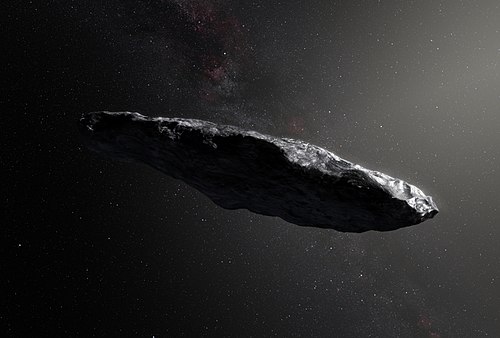
On October 17, 2017, the field of astronomy bore witness to an extraordinary event when the very first interstellar object, named 1I/ʻOumuamua, was discovered by astronomers. This discovery garnered global interest and opened new perspectives on the study of objects originating from other stellar systems. In addition to its scientific significance, this discovery also triggered speculations about an artificial origin, fueling the debate on the possibility of extraterrestrial life.

On October 17, 2017, astronomer Robert Weryk spotted a rapidly moving object through the solar system using the Pan-STARRS1 telescope in Hawaii. The unusual characteristics of this object immediately caught the attention of the scientific community. Measuring approximately 800 meters long and only 80 meters wide, ʻOumuamua had an elongated shape and exhibited a trajectory that clearly indicated it did not originate from our solar system.

Hypothesis of an Artificial Origin

One of the most intriguing hypotheses that emerged regarding ʻOumuamua is that of an artificial origin. To explore this possibility, the Search for Extraterrestrial Intelligence (SETI) program initiated in-depth studies of the object using two renowned radio telescopes: the Green Bank Telescope and the Allen Telescope Array, as part of the Breakthrough Listen project. The aim was to detect any unusual radio emissions that might suggest ʻOumuamua is, in fact, an interstellar spacecraft.

This hypothesis garnered significant media and public interest, leading to numerous speculations about extraterrestrial life. However, despite extensive efforts, no unusual radio emissions were detected. This prompted the scientific community to continue exploring alternative explanations.

Another intriguing hypothesis arose from the observation of ʻOumuamua's trajectory. In addition to being influenced by gravity, the object appeared to be subject to an unidentified force. Moreover, no outgassing was observed, leading physicists Shmuel Bialy and Abraham Loeb to hypothesize that the object might be sensitive to solar radiation pressure. This idea suggested that ʻOumuamua could be some form of solar sail, a potential technology of artificial origin designed for interstellar navigation.

However, it is crucial to note that these hypotheses of artificial origin remain highly debated and are not universally accepted among scientists. More conventional explanations have been proposed, including the notion that ʻOumuamua's elongated shape could cause uneven thermal emissions, or that outgassing may have occurred but remained undetectable due to specific conditions.

In summary, the discovery of 1I/ʻOumuamua in 2017 marked a significant turning point in the study of interstellar objects. This swift visit from an interstellar guest stirred excitement among astronomers and the public while fueling fascinating scientific debates about its origin, whether natural or artificial. Regardless, ʻOumuamua will continue to be a subject of ongoing study and speculation for scientists and astronomy enthusiasts worldwide.

Légende - Photo
Askaniy, CC BY 4.0, https://commons.wikimedia.org/wiki/File:Eso1737e.jpg
Sources

2023-10-15

15th October 1991 - Detection of the Oh-My-God particle

15th October 1991 - Detection of the Oh-My-God particle

On October 15, 1991, an exceptional cosmic event took place. On that day, scientists detected the "Oh-My-God" particle (OMG), a high-energy cosmic ray of paramount importance. The OMG was likely a proton with an extraordinarily high energy, surpassing all known subatomic particles by a wide margin.

The speed of the OMG particle was estimated to be 0.999 999 999 999 999 999 999 995 times the speed of light, making it the fastest massive particle ever recorded. This discovery occurred at 13 hours, 34 minutes, and 16 seconds, thanks to the HiRes cosmic ray detector located at the Dugway Proving Ground in Utah, United States.

The OMG carried a phenomenal amount of energy, measured at 50 joules, which is several tens of millions of times more energy than subatomic particles accelerated in the Large Hadron Collider. Although other particles with considerable energies have been detected subsequently, including a 32-joule particle on December 3, 1993, and another carrying 23 joules on January 13, 2007, the record set by the OMG remains unmatched. However, statistically, it is possible that other high-energy cosmic rays arriving on Earth may exceed the energy of the OMG particle.

Scientists have put forth several hypotheses to explain the existence of the OMG particle, as well as the cosmic rays exceeding 1 × 10^20 electronvolts (eV). Possible sources include black holes, especially those at the center of galaxies, galaxy collisions, and the shockwaves they generate, as well as magnetars. These sources are believed to act as particle accelerators, imparting tremendous energies to these particles.

Another theory considered is that the OMG particle was not accelerated but emitted. In this scenario, the emission mechanism could be linked to cosmic phenomena, such as the collapse of a topological defect like a cosmic string, or even the decay of a hypothetical supermassive particle called the "wimpzilla." However, it is important to note that despite these hypotheses, no definitive explanation has been demonstrated to date.

Légende - Photo
tonycuongphotos, Pixabay, https://pixabay.com/illustrations/god-zeus-deity-character-crown-7778212/
Sources

2023-09-24

Why Haven't Humans Walked on the Moon for Over 50 Years?

Why Haven't Humans Walked on the Moon for Over 50 Years?

Houston, we have a problem. These words, spoken by Apollo 13 mission commander Jim Lovell in 1970, remain etched in the history of space exploration. But since the last Apollo mission in 1972, humans have not walked on the Moon. Why this more than 50-year hiatus in lunar exploration? To understand, let's first look back.

The First Step on the Moon

On July 20, 1969, Neil Armstrong, commander of Apollo 11, became the first human to set foot on the Moon. His famous statement, "That's one small step for [a] man, one giant leap for mankind," symbolized an extraordinary advancement in space exploration. Subsequent Apollo missions allowed twelve astronauts to tread lunar soil until 1972.

High Cost and Changing Priorities

One of the main reasons humans haven't walked on the Moon for so long is the high cost of lunar missions. The Apollo program was exceedingly expensive, consuming a significant portion of NASA's budget. As governmental priorities shifted, resources were reallocated to other projects, such as the Space Shuttle program and robotic missions to Mars.

The Era of Space Shuttles

After Apollo, the United States invested in Space Shuttles, which offered a more cost-effective approach to space access. While these shuttles enabled the launch of satellites and the execution of scientific experiments in Earth's orbit, they couldn't reach the Moon. Manned missions, therefore, focused on the International Space Station (ISS) and projects in Earth's orbit.

Lunar Exploration Returns to the Agenda

However, in recent years, lunar exploration has returned to the agenda. NASA, with the Artemis program, aims to send astronauts back to the Moon, targeting a 2024 goal for the next lunar landing. Additionally, international space agencies and private companies have ambitious plans for the Moon, including SpaceX and the Russian Luna 25 mission.

The Advent of Private Lunar Exploration

A key element of this new era of lunar exploration is private sector participation. Companies like SpaceX, Blue Origin, and others are developing technologies and spacecraft to make lunar access more affordable. This collaboration between the public and private sectors could significantly change the future of lunar exploration.

In conclusion, the absence of manned missions to the Moon for over 50 years can be primarily attributed to budgetary reasons and shifting priorities. However, lunar exploration is regaining momentum, with ambitious plans for the future. The coming years may well mark the return of humans to the Moon, this time with international collaboration and active participation from the private sector.

Légende - Photo
rexandros, Pixabay, https://pixabay.com/illustrations/boy-stars-full-moon-universe-8259203/
Sources

2023-09-10

10th September 2008 - Launch of the Large Hadron Collider (LHC) at CERN

10th September 2008 - Launch of the Large Hadron Collider (LHC) at CERN

September 10, 2008, marked a historic moment in the field of particle physics with the launch of the Large Hadron Collider (LHC) at the European Organization for Nuclear Research (CERN) in Switzerland. The LHC, an unprecedented particle accelerator, would pave the way for groundbreaking scientific discoveries.

The Inauguration of the LHC

CERN, located near Geneva on the border between France and Switzerland, announced this historic event through a press release highlighting its significance. At 10:28 AM, the first beam of particles injected into the LHC completed a full circuit of the 27-kilometer ring housing the world's most powerful particle accelerator.

This moment was the culmination of over twenty years of preparation and hard work by thousands of scientists and engineers from around the world. The LHC represented a significant milestone in humanity's quest to understand the fundamental laws of the universe.

Technical Challenges and Advancements

However, the LHC was not without technical challenges. Shortly after its inauguration, the accelerator had to be shut down due to an electrical issue affecting the cooling system. After repairs and improvements, the LHC was restarted on September 18, 2008.

Unfortunately, a major incident occurred during a test, leading to another shutdown of the LHC for over a year. A significant helium leak caused by an electrical connection issue resulted in the melting of two essential magnets. Addressing these technical problems required considerable efforts to ensure the accelerator's safety.

Discoveries and Records

The LHC eventually resumed operations on October 23, 2009, with the injection of protons and heavy ions. On November 7, 2009, the CMS detector detected the first particles resulting from collisions.

On November 20, 2009, the proton beam successfully completed multiple full circuits of the collider. The LHC was gradually ramped up to a maximum energy of 1.2 TeV initially. On November 30, 2009, CERN announced that it had set a new record by circulating the most energetic proton beam in the LHC, with an energy of 1.18 TeV, surpassing the previous record set by the Tevatron, an American particle accelerator.

The LHC has paved the way for significant discoveries in particle physics, including the discovery of the Higgs boson in 2012, contributing significantly to our understanding of the subatomic universe. Since its commissioning, the LHC has continued to operate successfully, conducting crucial experiments for modern science.

Légende - Photo
Sanandros, CC BY-SA 3.0, https://de.wikipedia.org/wiki/Large_Hadron_Collider#/media/Datei:CERN_LHC_Tunnel.JPG
Sources

2023-07-16

16th July 1969 - Departure of the American Apollo 11 Mission

16th July 1969 - Departure of the American Apollo 11 Mission

July 16, 1969, marked the beginning of an extraordinary adventure as the American Apollo 11 mission embarked on its journey towards the Moon, carrying the dreams and hopes of an entire planet.

It was a hot and sunny day, filled with anticipation and excitement, as the Saturn V rocket stood proudly on the launch pad at Cape Canaveral, Florida. Thousands of spectators gathered to witness this historic event, fully aware that this day would mark a turning point in the history of humanity.

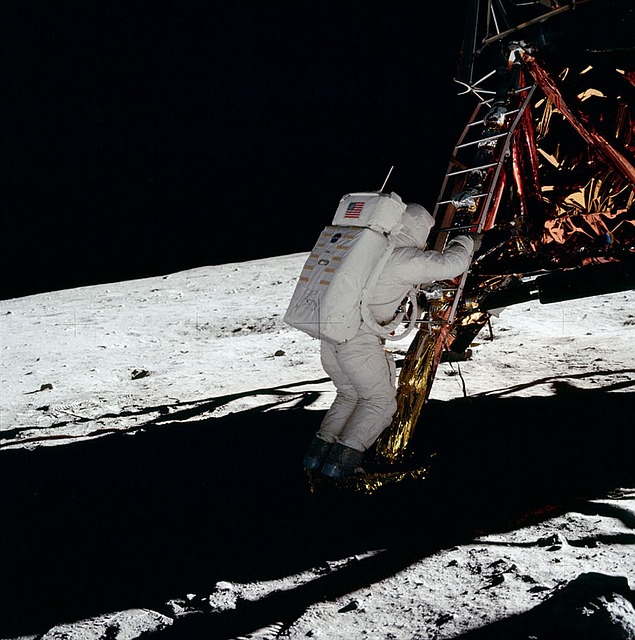
Commanded by the mission's commander, Neil Armstrong, a calm and determined man, Apollo 11's ultimate objective was to set foot on the lunar surface. Accompanied by astronauts Buzz Aldrin and Michael Collins, Armstrong was ready to embark on a perilous and audacious adventure, with an uncertain outcome.

As the rocket ascended into the sky, the tension was palpable. The entire world held its breath, with eyes glued to television screens and radios broadcasting the events live. The thoughts and prayers of millions of people were focused on the three astronauts, who had become heroes of a generation.

Yet, this mission was not just a technological feat; it was also the result of decades of dedication, research, and sacrifice. Since the launch of the American space program in response to President John F. Kennedy's challenge in 1961, thousands of scientists, engineers, and technicians had worked tirelessly to make this journey possible.

And on July 20, after a four-day journey through space, the lunar module Eagle detached from the main capsule, leaving Armstrong and Aldrin alone in their descent to the lunar surface. Hearts raced in the mission control center as Armstrong's legendary words echoed through the speakers: "That's one small step for man, one giant leap for mankind."

This historic first step on the Moon was the culmination of a daring enterprise, but it also marked the beginning of a new era for space exploration and for humanity as a whole. The scientific discoveries and technological advancements achieved during the Apollo missions paved the way for new perspectives and new frontiers to conquer.

Fifty-four years later, the departure of the Apollo 11 mission continues to inspire and awe. The footprints left by the astronauts on the lunar surface symbolize the human capacity to surpass ourselves, to push the boundaries of exploration, and to achieve seemingly impossible dreams.

Today, as we look towards the future, the lessons of the Apollo 11 mission still resonate. They remind us of the importance of international cooperation, audacity, and ingenuity in accomplishing great feats. And they also remind us that space exploration is more than just a scientific adventure; it is an endeavor that nourishes our curiosity, broadens our horizons, and prompts us to question our place in the universe.

Thus, on July 16, 1969, as the Apollo 11 mission took off towards the Moon, humanity found itself at a crossroads. A new era of discovery and exploration was about to begin, with the promise of wonders and unknown challenges. This day will forever be etched in the annals of history as a symbol of courage, audacity, and faith in the future.

Légende - Photo
WikiImages, Pixabay, https://pixabay.com/photos/astronaut-spaceman-spacesuit-11118/
Sources

2023-07-08

7th July 2014 - Discovery: Pelagornis sandersi, the Largest Flying Bird Ever Known

7th July 2014 - Discovery: Pelagornis sandersi, the Largest Flying Bird Ever Known

On July 7, 2014, the field of paleontology was abuzz with the announcement of the discovery of a prehistoric flying bird species of exceptional size. The fossilized remains of this bird were identified as belonging to a new species named Pelagornis sandersi, in honor of the researcher who made the discovery.

Albert Sanders made this astounding discovery during excavations in a remote region on the east coast of the United States. The fossilized remains were incredibly well-preserved, allowing scientists to study in detail the bone structure of this giant prehistoric bird. This unique specimen provided valuable insights into the evolution and biology of flying birds in a distant era.

Pelagornis sandersi is considered the largest flying bird ever known to have existed. With an estimated wingspan of over 7 meters, this prehistoric bird would have dominated the skies approximately 25 million years ago. Its wings were so wide that it would have been able to soar over long distances, utilizing air currents to move with great ease.

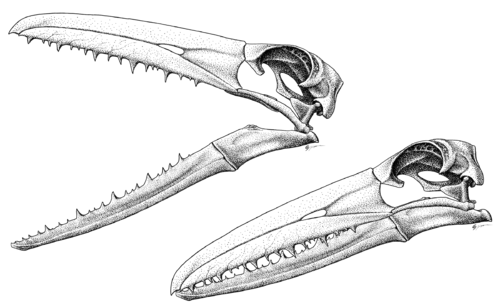
Scientists also discovered that Pelagornis sandersi possessed a slender, serrated beak, indicating a diet primarily based on fish and other marine creatures. This adaptation was crucial for its survival in an oceanic environment where it would have ventured to hunt.

The discovery of Pelagornis sandersi has shed unprecedented light on the evolution of flying birds and the adaptations necessary for such an immense wingspan. Researchers have gained a better understanding of how these prehistoric birds were able to move and hunt effectively despite their impressive size.

Furthermore, this discovery offers a fascinating glimpse into past biodiversity and the history of Earth. Pelagornis sandersi was a vital link in the coastal ecosystem of its time, contributing to the balance of fish populations and other marine organisms.

The discovery of the fossilized remains of Pelagornis sandersi on July 7, 2014, will be etched in the annals of paleontology. Thanks to this exceptional find, scientists have expanded our knowledge of the evolution of flying birds and life on Earth millions of years ago. Pelagornis sandersi, the largest flying bird ever known, continues to fuel our fascination with the prehistoric world and reminds us of the richness and diversity of life on our planet.

Légende - Photo
FunkMonk, CC BY 3.0, https://fr.wikipedia.org/wiki/Pelagornis_sandersi#/media/Fichier:Pelagornis_sandersi.png
Sources

2023-06-30

Artificial Intelligence - The Moravec Paradox

Artificial Intelligence - The Moravec Paradox

Artificial intelligence (AI) has become a tangible reality of our time, with spectacular advancements in fields such as speech recognition, computer vision, and even self-driving cars. However, despite these advancements, AI still faces challenges when it comes to performing tasks that humans find easy and natural. This is known as the Moravec Paradox.

The Moravec Paradox takes its name from robotics researcher Hans Moravec, who formulated it in the 1980s. It suggests that tasks that are difficult for humans are often easy for machines, and vice versa. In other words, the skills that humans have acquired over millions of years of evolution, such as sensory perception and locomotion, are relatively easy to replicate for AI. On the other hand, tasks that seem simple to humans, such as understanding natural language or facial recognition, are extremely complex for AI systems.

This paradox may seem counterintuitive. After all, if we can design machines capable of beating chess or go champions, why can't we teach them basic skills like walking or visual perception? The answer lies in the difference between the types of knowledge and skills required for these different tasks.

Skills that are easy for AI are usually based on algorithms and mathematical calculations. For example, a chess program can be designed to quickly analyze millions of possible configurations and make the best decision based on predetermined rules. However, tasks that we consider simple require contextual understanding and intuitive perception that are difficult to formalize in strict rules. For example, understanding the meaning of a joke or interpreting someone's emotions in a conversation are tasks that require emotional and social intelligence, skills that AI struggles to master.

The Moravec Paradox raises important questions about the limits of AI and how we design these systems. It highlights the need for a multidisciplinary approach that integrates fields such as cognitive psychology, linguistics, and social sciences into AI development. By understanding the complex mechanisms underlying human skills, we can better design AI systems capable of adapting to a wide range of tasks.

As AI continues to make giant strides, the Moravec Paradox reminds us that some tasks that seem natural and easy to us remain a major challenge for machines. It urges us to explore interdisciplinary approaches and continue pushing the boundaries of AI research to bridge the gap between human and artificial intelligence capabilities.

Légende - Photo
starryai.com, CC0, https://starryai.com/
Sources

2023-06-29

29th June 2014 - Announcement of the Discovery of Gliese 832 c

29th June 2014 - Announcement of the Discovery of Gliese 832 c

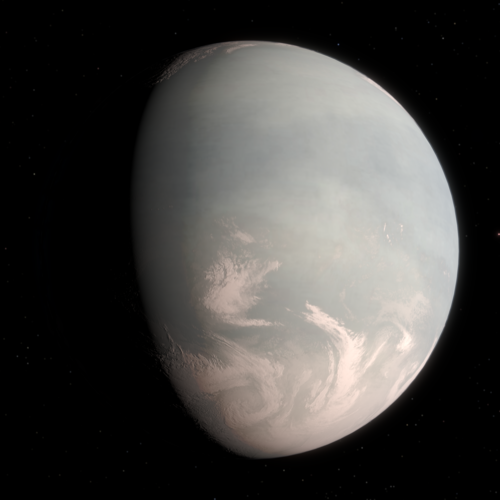
June 29, 2014, will be a memorable date in the history of astronomy. On that day, a fascinating announcement was made: the discovery of the exoplanet Gliese 832 c, located only 16 light-years away from Earth, making it one of the closest exoplanets ever detected. But that's not all, Gliese 832 c is also situated in the habitable zone of its solar star, making it a promising candidate in the search for extraterrestrial life.

Gliese 832 c was discovered using the radial velocity method, which involves detecting variations in the velocity of a star caused by the presence of an orbiting planet. Researchers have estimated that this exoplanet orbits its star in approximately 36 Earth days. This proximity raises speculation about the possibility of an atmosphere and conditions conducive to the presence of liquid water on its surface, two essential elements for life as we know it.

The star around which Gliese 832 c revolves is a red dwarf, a star that is less massive and less luminous than our Sun. However, this star is relatively stable, increasing the chances of orbital stability for the planet and favorable conditions for life. Researchers believe that the surface temperature of Gliese 832 c could be similar to that of Earth, further enhancing the appeal of this exoplanet for future studies.

The discovery of Gliese 832 c brings us closer to answering the fundamental question: are we alone in the universe? While it is impossible to state with certainty that life exists on this planet, this discovery raises fascinating prospects for astronomers and researchers working in the field of exobiology. Future observation missions and technological advancements will allow us to learn more about this exoplanet and potentially discover signs of life.

It is important to note that Gliese 832 c is just one of the many exoplanets discovered in recent years, and each new discovery brings its own surprises and knowledge. Our understanding of the universe and its diversity continues to expand, and each day brings us closer to the discovery of another Earth.

Ultimately, the discovery of Gliese 832 c on June 29, 2014, marks a significant milestone in the search for a potentially habitable planet outside our solar system. It serves as a reminder of our relentless quest to understand our place in the universe and to know if we are alone.

Légende - Photo
Radialvelocity, CC BY-SA 4.0, https://fr.wikipedia.org/wiki/Gliese_832_c#/media/Fichier:Artist%E2%80%99s_impression_of_a_cloud-covered_planet_inspired_by_the_data_of_Gliese_832_c.png
Sources

2023-06-24

15th June 1752 - Benjamin Franklin invents the lightning rod

15th June 1752 - Benjamin Franklin invents the lightning rod

On June 15, 1752, a revolutionary invention was achieved by Benjamin Franklin, one of the greatest inventors and scientists of all time. On that day, Franklin developed the lightning rod, an invention that would revolutionize protection against electrical discharges during storms.

During that time, thunderstorms were a feared phenomenon due to the electrical discharges that could cause fires and damage buildings. Franklin, who was passionate about natural sciences and electricity, had already conducted experiments on the nature of lightning. He theorized that lightning was a form of electricity and set out to find a way to control it.

The idea for the lightning rod came to Franklin when he observed an experiment conducted by French scientists. They had attached a conducting wire to a kite and observed sparks when a storm approached. Franklin then devised a device based on this concept, consisting of a pointed metal rod placed on the roof of a building and connected to the ground by a conductor.

During a storm, the lightning rod attracts electrical discharges towards it through its metal tip. These discharges are then directed to the ground via the conductor, bypassing the building and reducing the risk of fire or damage caused by lightning.

The invention of the lightning rod had a significant impact on building safety and protection against fire caused by lightning. It saved numerous lives and paved the way for further discoveries and advancements in the field of protection against electrical discharges.

In recognition of his invention, Franklin was widely acclaimed by the scientific community of the time. The lightning rod became a revolutionary invention that was quickly adopted worldwide, contributing to the safety of buildings and protection against the dangers of lightning.

Today, the lightning rod is a commonly used invention and an essential component of lightning protection systems. Benjamin Franklin's invention laid the foundations for modern electrical safety and left a lasting legacy in the field of protection against electrical discharges.

June 15, 1752, remains a significant day in the history of invention and safety, thanks to the ingenuity of Benjamin Franklin and his revolutionary lightning rod.

Légende - Photo
Taxiarchos228, CC BY-SA 3.0, https://fr.wikipedia.org/wiki/Paratonnerre#/media/Fichier:CN_Tower_struck_by_lightning-Edit(Taxi).jpg
Sources
15th June 1667 - Jean Baptiste Denis Performs the First Blood Transfusion

15th June 1667 - Jean Baptiste Denis Performs the First Blood Transfusion

On June 15, 1667, a major medical breakthrough occurred when French physician Jean Baptiste Denis performed the first documented blood transfusion in history. This revolutionary experiment, although controversial at the time, laid the foundation for modern blood transfusion and paved the way for numerous medical advancements.

Jean Baptiste Denis, a physician from Paris, was fascinated by the circulatory system and sought ways to improve the health of patients suffering from various ailments. At the time, knowledge about the workings of blood was limited, but Denis was convinced that blood transfusion could be a promising solution.

For his first blood transfusion experiment, Denis chose to use lamb's blood, which he transfused into a young man suffering from fever. During that era, blood compatibility was not yet understood, and early attempts at blood transfusion often led to adverse reactions in patients. Despite these risks, Denis was determined to pursue his research.

The experiment was successful, and although the results were modest, it opened up new possibilities for blood transfusion. Denis continued his work and performed additional transfusions, sometimes using human blood. His research helped to better understand immune reactions related to transfusion and laid the groundwork for future advancements in the field.

However, the practice of blood transfusion was marred by controversies and ethical issues at the time. Early attempts were often performed without considering blood compatibility, resulting in severe, sometimes fatal, reactions in patients. Furthermore, the transfusion of animal blood raised moral and religious questions.

Despite these challenges, blood transfusion continued to evolve over the centuries, thanks to further research and medical advancements. Today, blood transfusion has become a common and essential practice in the medical field, saving many lives every day.

The first blood transfusion performed by Jean Baptiste Denis on June 15, 1667, remains a significant milestone in the history of medicine. It paved the way for subsequent discoveries about the workings of blood and blood compatibility, leading to major medical breakthroughs in the field of transfusions and blood treatments. Today, we pay tribute to this fundamental step that laid the groundwork for modern transfusion medicine.

Légende - Photo
fsHH, Pixabay, https://pixabay.com/photos/blood-donation-volunteering-7509463/
Sources

2023-06-10

Giant Chickens: Discovering the Índio Gigante in Brazil

Giant Chickens: Discovering the Índio Gigante in Brazil

Poultry enthusiasts will be surprised to learn that there are chicken breeds that can reach impressive proportions, exceeding one meter in height. Among these extraordinary breeds is the Índio Gigante, a species developed in Brazil in the late 1980s.

The Índio Gigante, as the name suggests, is a true giant among chickens. Specimens of this breed measure a minimum of 90 centimeters in height, with the tallest one ever recorded reaching 1.25 meters, making them undisputed kings of the barnyard.

Originating from Brazil, the Índio Gigante is the result of selective breeding between local large-sized breeds and fighting cocks. The outcome of these crossbreeds gave rise to an imposing fowl, impressive both in stature and presence.

However, it is important to note that the exceptional size of these chickens does not translate into increased egg production. Indeed, the Índio Gigante is primarily raised for its aesthetic qualities and imposing presence.

This breed quickly gained popularity in Brazil, and dedicated breeders worked to preserve and enhance the characteristics of the Índio Gigante. The efforts made have ensured the purity of the breed and the production of high-quality specimens.

The Índio Gigante is also valued for its docile and friendly temperament, making it suitable for family farming. These giant chickens are often raised for their beauty, but they can also serve as unique and charming pets.

With their impressive size and natural elegance, Índio Gigante chickens have become a sought-after curiosity in the world of poultry farming. Their majestic appearance in enclosures and poultry shows attracts admiring glances from visitors.

If you are looking for a unique experience in poultry farming, the Índio Gigante could be a fascinating choice. However, it is important to note that their size requires suitable facilities and sufficient space for their well-being.

In conclusion, the Índio Gigante is a remarkable example of the incredible variations that nature can offer. These giant chickens from Brazil remind us that the diversity of avian species is endlessly surprising and that there are still so many wonders to discover in the animal kingdom.

Légende - Photo
Khromy, CC BY-SA 4.0, https://en.wikipedia.org/wiki/File:Indio_gigante.jpg
Sources

2023-06-02

2nd June 1858 - Discovery of One of the Great Comets of the 19th Century

2nd June 1858 - Discovery of One of the Great Comets of the 19th Century

On June 2, 1858, Italian astronomer Giambattista Donati made an astronomical discovery that would captivate the world: the discovery of one of the great comets of the 19th century. This event marked a significant advancement in the understanding of comets and sparked unprecedented interest in these mysterious celestial objects.

Giambattista Donati was a renowned astronomer of his time, famous for his contributions to the observation of stars and planets. On June 2, 1858, during one of his observation sessions, he pointed his telescope towards the sky and noticed an unusual glow in the constellation of Ursa Major.

As he carefully studied this glow, he realized that he was witnessing a comet of exceptional magnitude. Subsequent observations confirmed that this comet was remarkably bright, visible to the naked eye even during daylight. It stood out with its long tail, extending over several degrees in the sky.

The comet discovered by Giambattista Donati was quickly named "Comet Donati" in his honor. Its appearance sparked widespread excitement in astronomical and scientific circles of the time. Astronomers from around the world rushed to observe and study this exceptional celestial phenomenon.

Comet Donati offered a unique opportunity to closely observe the characteristics and properties of comets. Scientists studied its chemical composition, trajectory, speed, and interaction with the space environment. Observations of the comet also provided insights into the formation and evolution of comets, contributing to the expansion of knowledge about the solar system.

The impact of the discovery of Comet Donati was not limited to the scientific field. Its appearance captivated the imagination of the general public, who marveled at this exceptional celestial spectacle. Newspapers of the time extensively reported on this bright comet, offering ordinary people a fascinating glimpse into the astronomical world.

Comet Donati, with its splendor and beauty, remains one of the most memorable great comets of the 19th century. Its discovery by Giambattista Donati marked a milestone in the history of astronomy and sparked renewed interest in the study of comets.

Today, discoveries and advancements in the field of astronomy continue to awe and intrigue us. Comet Donati remains a vivid reminder of the vastness and beauty of the universe that surrounds us, inspiring scientists and astronomy enthusiasts to explore its wonders and unravel its mysteries.

Légende - Photo
Sette-quattro, Public domain, https://fr.wikipedia.org/wiki/C/1858_L1_(Donati)#/media/Fichier:CometDonati.jpg
Sources

2023-05-28

Waymo announces expansion of autonomous taxi coverage in Arizona

Waymo announces expansion of autonomous taxi coverage in Arizona

On May 4, US autonomous vehicle corporation Waymo announced on its blog, Waymo One — its robotaxi service — will approximately double its coverage in the Phoenix, Arizona area. This included opening a new stop at Phoenix Sky Harbor International Airport, with up to four passengers permitted in a robotaxi. The company also said it will expand its services to the entirety of the San Francisco peninsula in California.

Chief Product Officer Saswat Panigrahi told press: "We are feeling tremendous wind at our backs."

"We're already serving 10,000 fully autonomous trips with public riders every week," Panigrahi said, adding he expected that figure to swell to 100,000 by next summer. "I want to clarify that that's external riders; that does not include the rides we offer to our own employees."

Panigrahi described the Phoenix area as the "largest contiguous AV area in the world." Waymo was set to begin servicing a 180-square mile (466 square kilometer) area including the resort town of Scottsdale which would join its noncontiguous existing coverage areas of Phoenix and the East Valley's Chandler, Gilbert, Mesa, and Tempe.

Waymo said San Francisco rides will be provided free, 24/7, and for all, except in Fisherman's Wharf, North Beach, and other neighborhoods in the northeast, which would only bear staff and select volunteers, Trusted Testers.

Waymo has requested the California Public Utilities Commission's permission to impose fees in San Francisco. The commission's approval would make San Francisco the first city where two companies operate robotaxis: Since June, General Motors-owned Cruise has charged for rides in areas of the city if given at night.

Waymo One vehicles have struggled in San Francisco, for which the Associated Press cited fog and rugged terrain; incidents included sudden halts in streets — in one case, five robotaxis stopped abruptly amid fog and obstructed traffic. Other incidents have included obstruction of emergency services and rear-end collisions with buses.

Noting these incidents, local regulators, in a letter to the Commission, denounced Waymo's expansion as "unreasonable".

Panigrahi contended: "Now, as part of deploying a fully autonomous vehicle, there are clearly additional learnings that we're responding to, and we will place safety at the forefront, first and foremost." He described Waymo One as "continuously improving".

Phoenix's Street Transportation Department declined to comment to Wikinews last Thursday on what it has done to ensure the safety of the robotaxis as it "is not the regulating agency for autonomous vehicles".

Waymo, based in Mountain View, California, is a subsidiary of Alphabet Inc. and started as Google's secret autonomous vehicle program over a decade ago. It commenced testing in Phoenix in 2017, then offering non-free rides in late 2020 across an area of about 60 square miles (155 square kilometers).

Légende - Photo
Dietmar Rabich, CC BY-SA 4.0, https://en.wikinews.org/wiki/Waymo_announces_expansion_of_autonomous_taxi_coverage_in_Arizona,_San_Francisco?dpl_id=2971131#/media/File:San_Francisco_(CA,_USA),_California_Street,_autonomes_Fahrzeug_(Waymo)_--_2022_--_2925.jpg
Sources

2023-05-19

New England's Dark Day

New England's Dark Day

On May 19, 1780, an extraordinary event known as "New England's Dark Day" unfolded in the region. This peculiar phenomenon left a lasting impact on the collective memory of New England, sparking intrigue and speculation about its cause and significance. In this article, we delve into the historical occurrence of the Dark Day and explore its historical and cultural significance.

The Dark Day Phenomenon: On that fateful day, New England was shrouded in an unprecedented darkness that persisted throughout daylight hours. Witnesses at the time described an eerie and ominous atmosphere, where the sun's light was obscured, leaving the region in an unsettling gloom. The sudden darkness puzzled and frightened the inhabitants, who searched for answers amidst the unusual event.

Scientific Explanations: Various scientific theories have been proposed to explain New England's Dark Day. Some researchers attribute the phenomenon to a combination of dense smoke and fog caused by extensive forest fires, while others suggest volcanic activity or unusual atmospheric conditions. These scientific explanations provide insights into potential causes, yet the exact reason behind the event remains subject to debate.

Historical and Cultural Impact: New England's Dark Day had profound historical and cultural implications for the region. At the time, the event was met with fear and superstition, with many interpreting it as a sign of impending doom or divine intervention. The Dark Day influenced religious beliefs, prompting individuals to reevaluate their faith and question the world around them. It also ignited discussions on natural phenomena and the boundaries of human understanding.

Literary and Artistic Representations: The Dark Day of May 19, 1780, inspired numerous literary and artistic representations. Poets, writers, and painters sought to capture the eerie atmosphere and convey the emotional impact of the event. The Dark Day became a subject of fascination for artists who explored its symbolism and potential underlying meanings. These creative expressions serve as a testament to the lasting impact of the event on New England's cultural identity.

Legacy and Continued Interest: Although centuries have passed since New England's Dark Day, its legacy endures. Historians continue to study the event, seeking to uncover additional evidence and insights into its causes. The Dark Day serves as a reminder of the region's rich history and the enduring curiosity surrounding unexplained phenomena. It remains a topic of interest for both scholars and the general public, fueling ongoing discussions and exploration.

Conclusion: New England's Dark Day on May 19, 1780, remains an enigma that captivates the imagination. As the centuries pass, the event continues to evoke wonder and intrigue, reminding us of the mysteries of the natural world and the enduring impact of historical anomalies. The Dark Day stands as a testament to the resilience and curiosity of humanity in the face of unexplained phenomena.

Légende - Photo
Urban~commonswiki, CC BY-SA 3.0, https://fr.wikipedia.org/wiki/Nouvelle-Angleterre#/media/Fichier:Old_State_House_Boston_Massachusetts2.jpg
Sources