At the dawn of the 20th century, in an Africa still shaped by colonial conflict, an enigmatic figure emerged: Siener van Rensburg. A deeply religious Boer farmer and mystic, he became known for a series of prophetic visions that, according to many accounts, astonishingly anticipated both World War I and World War II.
Born in 1864 in the Orange Free State, Nicolaas Pieter Johannes Janse van Rensburg—nicknamed “Siener,” meaning “seer” in Afrikaans—claimed from a young age to experience sudden, vivid visions. These revelations appeared to him as symbolic images, which he interpreted as messages about future events. Unlike other prophetic figures, he did not rely on astrology or divination; instead, he described his visions as spontaneous and uncontrollable.
Visions Before the Storm
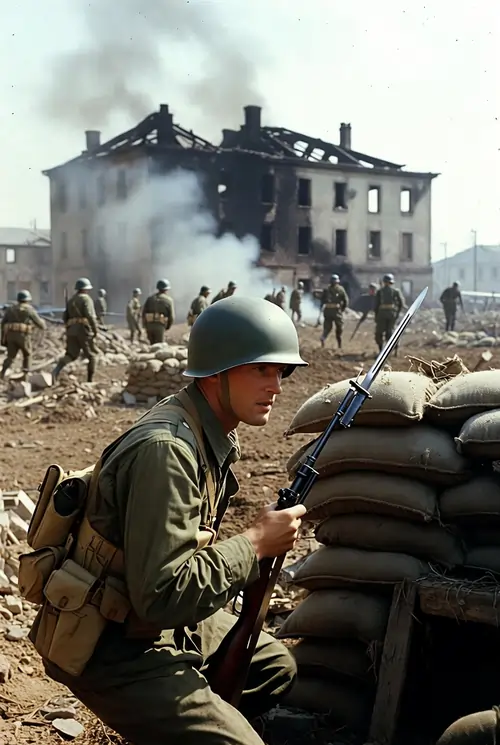
Years before the outbreak of World War I in 1914, van Rensburg reportedly spoke of widespread destruction, continents engulfed in flames, displaced populations, and unprecedented warfare. He described scenes involving “blood-red seas,” “flying machines,” and devastated cities—imagery that later observers linked to aerial combat, industrial warfare, and mass bombardments.
At the time, these predictions were largely dismissed or mocked. Yet after the war began, supporters claimed that his visions eerily matched the new realities of modern warfare, including aircraft, mechanized armies, and large-scale civilian casualties.
A Darker Prophecy of Global Conflict
Van Rensburg’s reputation grew even more following accounts that he had foreseen a second, even more catastrophic global war. According to testimonies, he described the rise of a ruthless leader driven by hatred—often interpreted as a reference to Adolf Hitler—and a conflict that would surpass all previous wars in brutality.
He also spoke of Europe divided, mighty empires collapsing, and weapons of unimaginable destructive power. Some interpreters believe these visions hinted at nuclear weapons, although such interpretations remain highly debated.
Faith, Legend, and Skepticism
While his followers view Siener van Rensburg as a genuine prophet, skeptics argue that many of his predictions were reinterpreted or embellished after the events occurred. Most of his visions were recorded and compiled after his death in 1926, raising concerns about historical accuracy and retrospective editing.
Nonetheless, certain predictions documented prior to World War I remain sufficiently striking to continue fueling debate among historians, theologians, and researchers of the paranormal.
A Legacy That Endures
Today, Siener van Rensburg remains a prominent figure in South African prophetic folklore. His visions are still studied by scholars and enthusiasts seeking to determine whether his insights were the result of extraordinary intuition, deep religious symbolism, or something more mysterious.
Straddling the line between history and legend, the Boer seer continues to captivate those intrigued by the possibility that some individuals may glimpse the great upheavals of the future long before they unfold.
Grok, CC0,